

Preventing Foot Ulcers Through Healthy Lifestyle and Adherence to Medical Guidance.
Preventing foot ulcers involves a multifaceted approach that integrates healthy lifestyle choices, meticulous foot care, and adherence to medical advice. Key strategies include maintaining optimal blood glucose levels, practicing daily foot inspections, wearing well-fitting footwear, and managing chronic conditions effectively. Regular foot exams and prompt attention to any signs of foot problems are crucial for preventing complications. By following these guidelines, individuals can significantly reduce their risk of developing foot ulcers and enhance overall foot health. Integral Wound Solutions underscores the importance of these preventive measures in our comprehensive wound care approach, aiming to improve patient outcomes and quality of life.

Preventing Wound Developments After Injury: Healthy Habits and Proper Medical Guidelines.
Preventing wound developments after an injury is crucial for effective recovery and minimizing complications. Essential strategies include thorough wound cleaning, the use of antiseptics, and proper wound coverage. Maintaining a nutritious diet rich in proteins, vitamins, and minerals supports healing, while good personal hygiene practices help prevent infection. Monitoring for signs of infection, adhering to prescribed treatments, and managing chronic conditions such as diabetes and circulatory issues are also vital. By following these guidelines, patients can significantly enhance their healing process and reduce the risk of complications. Integral Wound Solutions emphasizes these preventive measures in our comprehensive approach to wound care, ensuring optimal patient outcomes.

The Crucial Role of Nutrition in Wound Recovery and Healing.
Nutrition is crucial for effective wound healing and recovery, significantly influencing cellular repair and immune function. Key nutrients such as proteins, vitamins (C, A, and E), and minerals (zinc and iron) play vital roles in tissue regeneration, collagen synthesis, and immune response. Deficiencies in these nutrients can lead to delayed wound healing, increased infection risk, and complications. A thorough nutritional assessment and tailored intervention, including dietary modifications and supplementation, are essential for optimizing wound care outcomes. At Integral Wound Solutions, we emphasize the importance of nutrition in our comprehensive wound management approach to enhance patient recovery and support effective healing.
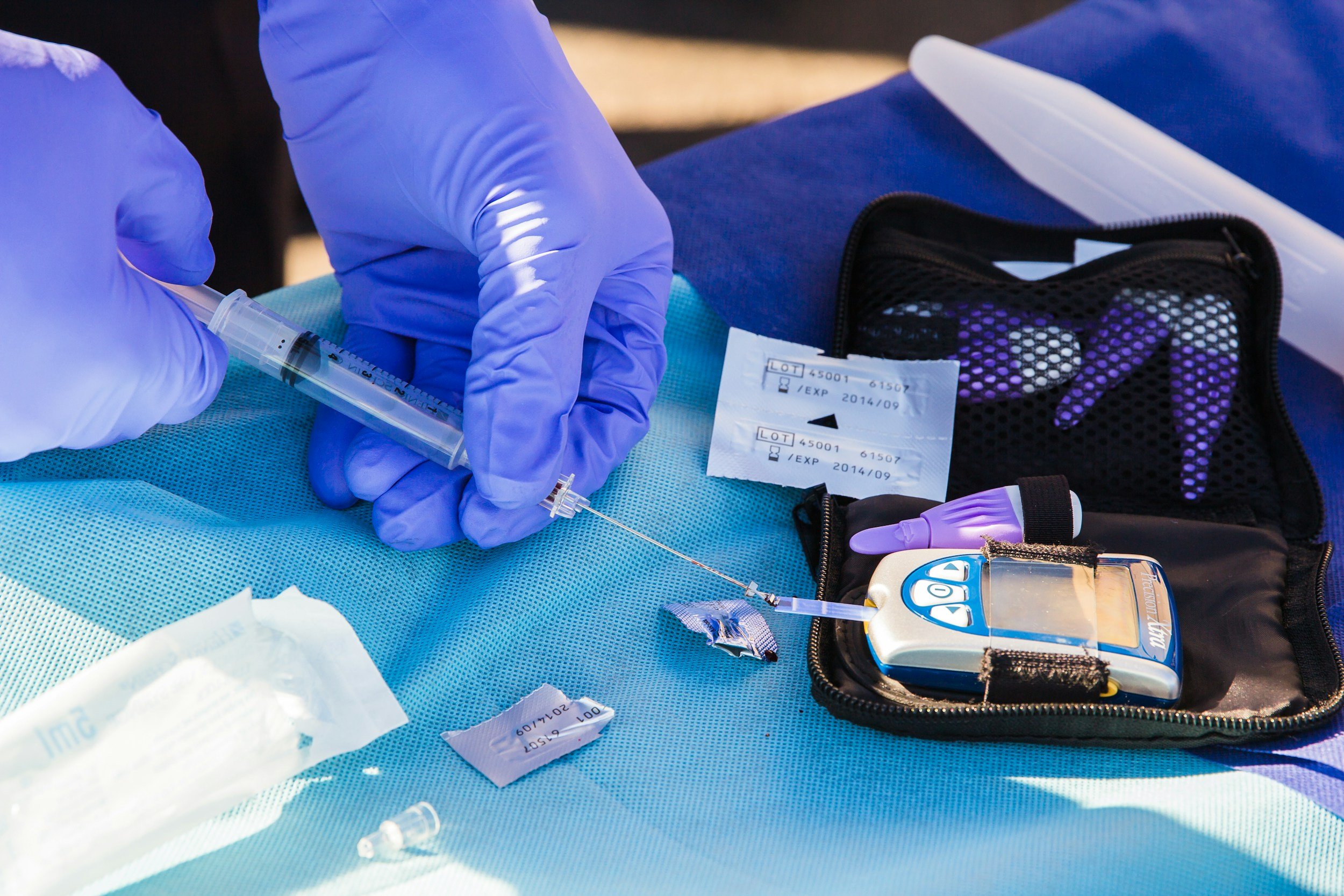
Top 10 Challenges in Treating Wounds in Diabetic Patients.
Treating wounds in diabetic patients presents unique challenges due to factors such as impaired blood circulation, neuropathy, delayed wound healing, and an increased risk of infection. Chronic inflammation, skin changes, and difficulty in glycemic control further complicate the healing process. Additionally, underlying comorbidities and poor adherence to treatment plans can hinder recovery, while increased healthcare costs add another layer of difficulty. To improve healing, patient education is crucial. Key suggestions include emphasizing blood sugar management, demonstrating proper wound care techniques, instructing on daily foot inspections, promoting regular medical check-ups, and encouraging lifestyle modifications. Integral Wound Solutions addresses these challenges through comprehensive care and patient empowerment to enhance healing outcomes.